
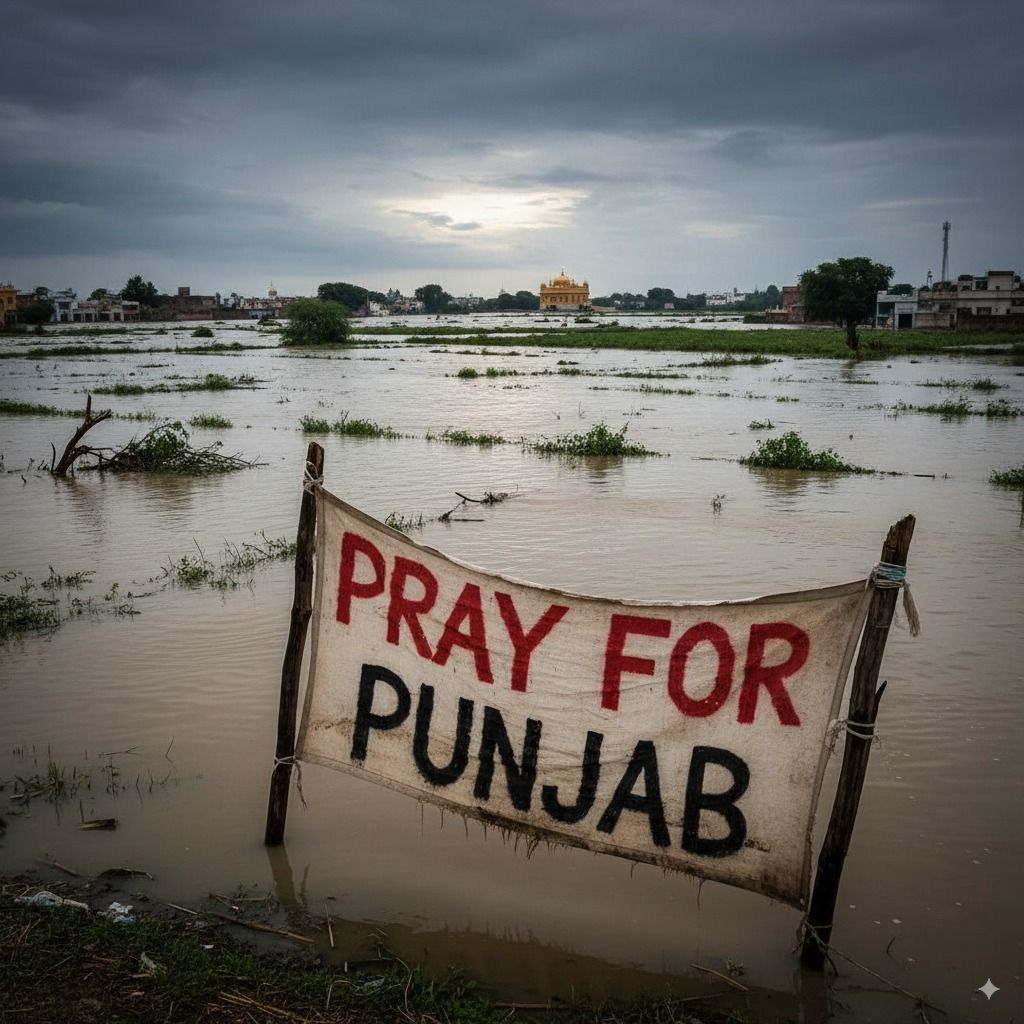
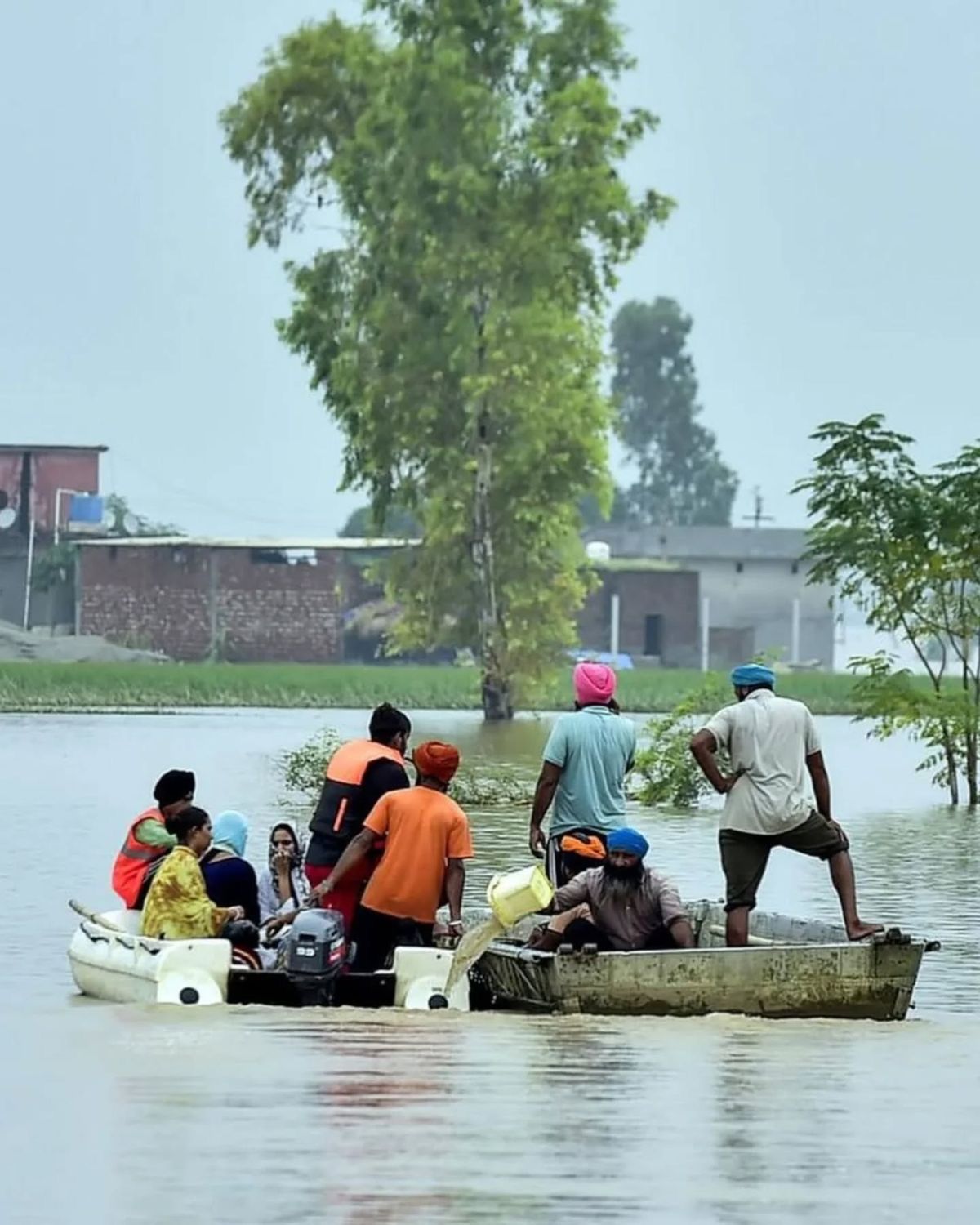
Sevartham's Raahat Seva operates across Assam, Punjab, Himachal Pradesh, Mumbai, Delhi, and Uttarakhand — each with its own disaster profile, terrain, and community needs.
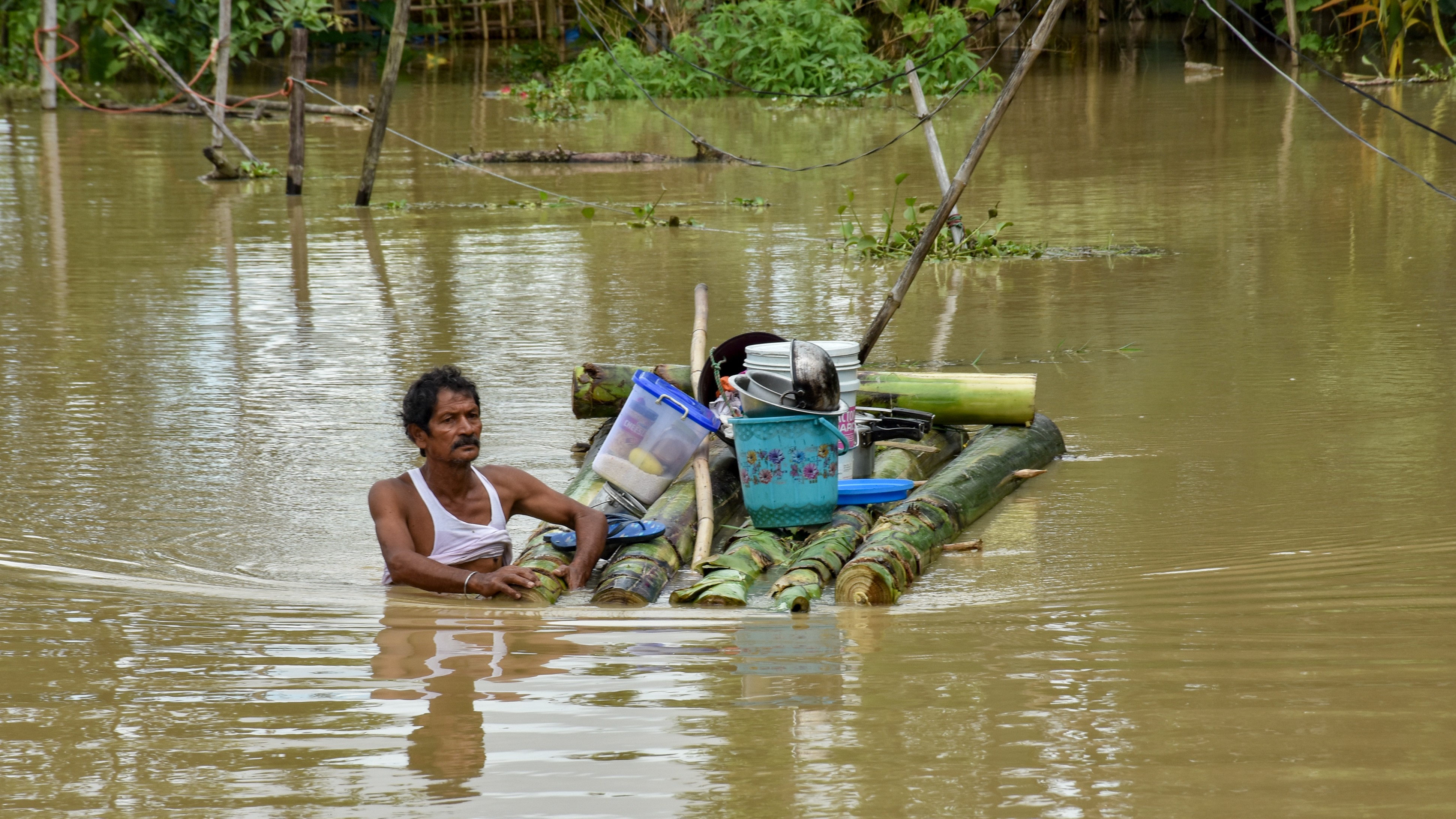 Assam
Assam
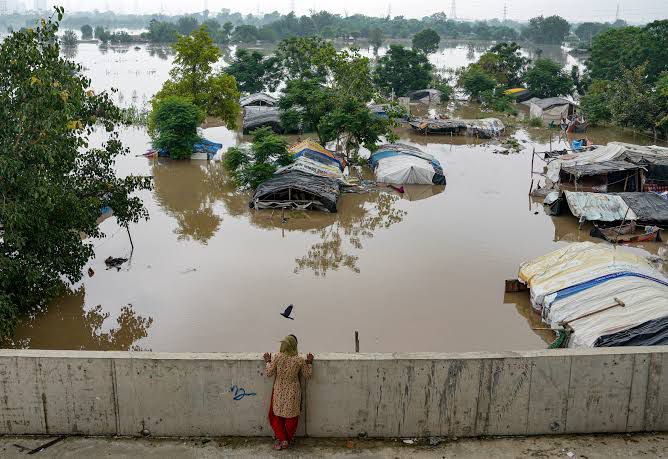
Every year, the mighty Brahmaputra and its tributaries overflow, inundating villages, destroying homes, and forcing thousands of families into temporary shelters. Our emergency response teams provide food kits, clean drinking water, tarpaulins, hygiene essentials, and medical aid across severely affected districts including Barpeta, Morigaon, Dhemaji, Lakhimpur, and Cachar.
Punjab
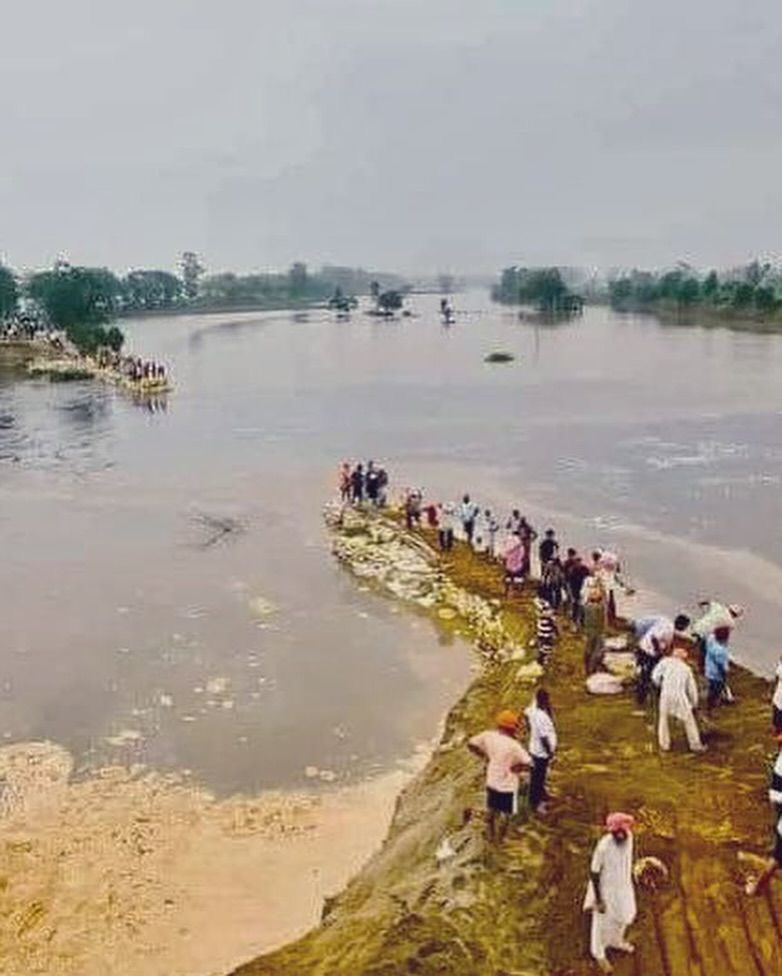
Punjab's Sutlej, Beas, and Ravi rivers flood vast stretches of farmland every monsoon, displacing farming families who have nothing left to harvest. We deploy food kits, emergency tarpaulins, and livestock support within 24 hours of breach events. Our teams are active in Ludhiana, Jalandhar, Sangrur, and Fazilka districts.
Himachal Pradesh
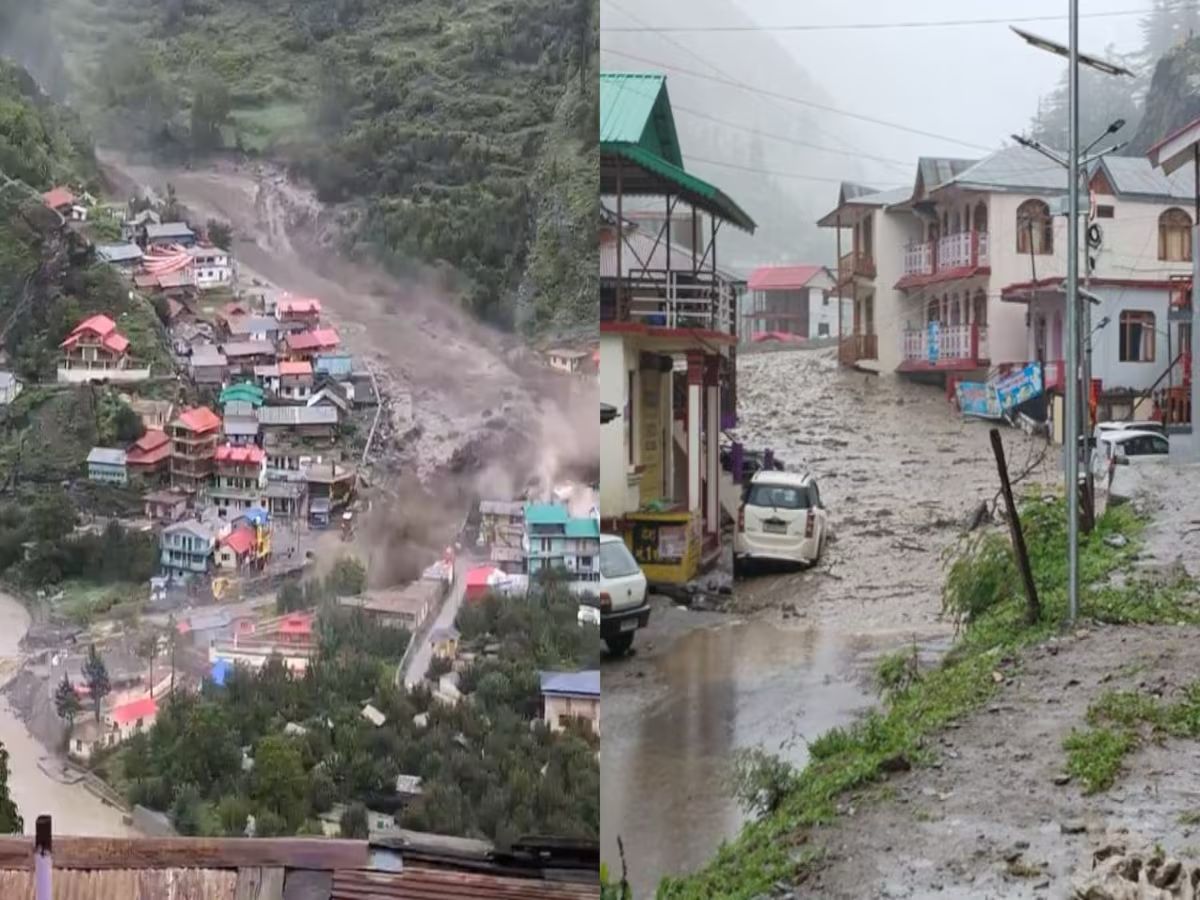
Himachal's difficult terrain means cut roads, isolated hamlets, and no formal relief for days. Our mountain-trained community responders operate in Mandi, Kullu, Kangra, and Chamba — areas that see frequent cloudbursts and landslide events. We carry food, medicines, and shelter materials on foot when vehicles can't reach.
 Mumbai
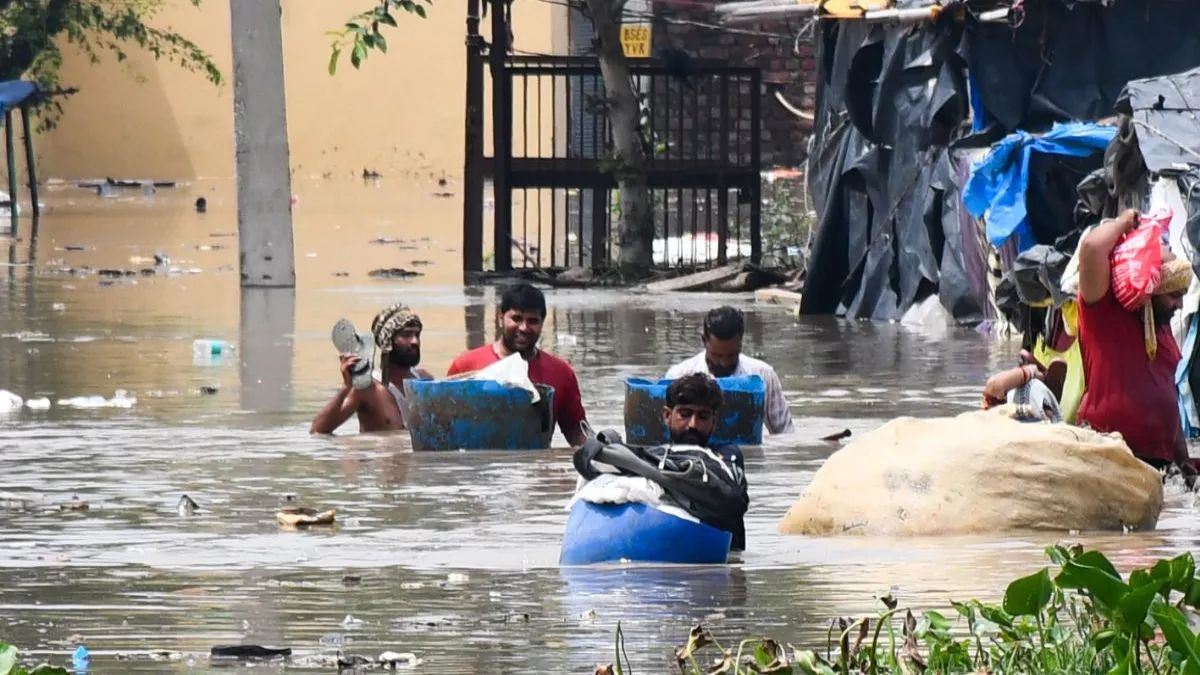
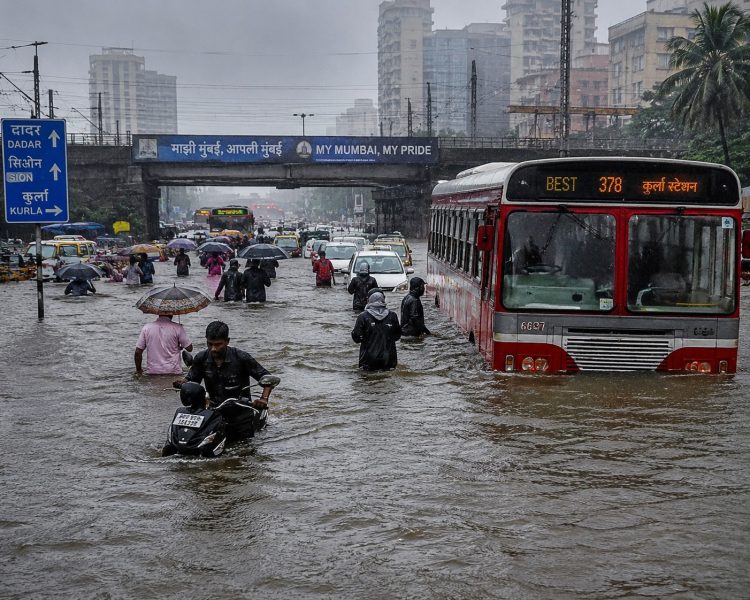
Heavy monsoon rains bring Mumbai to a standstill every year — flooding roads, stranding commuters for hours, and cutting off low-lying settlements. Thousands are left hungry, drenched, and without safe shelter until the water recedes. Sevartham's rapid-response teams distribute food, water, and dry essentials across the worst-hit areas including Dadar, Sion, Kurla, and the city's flood-prone suburbs.
Delhi
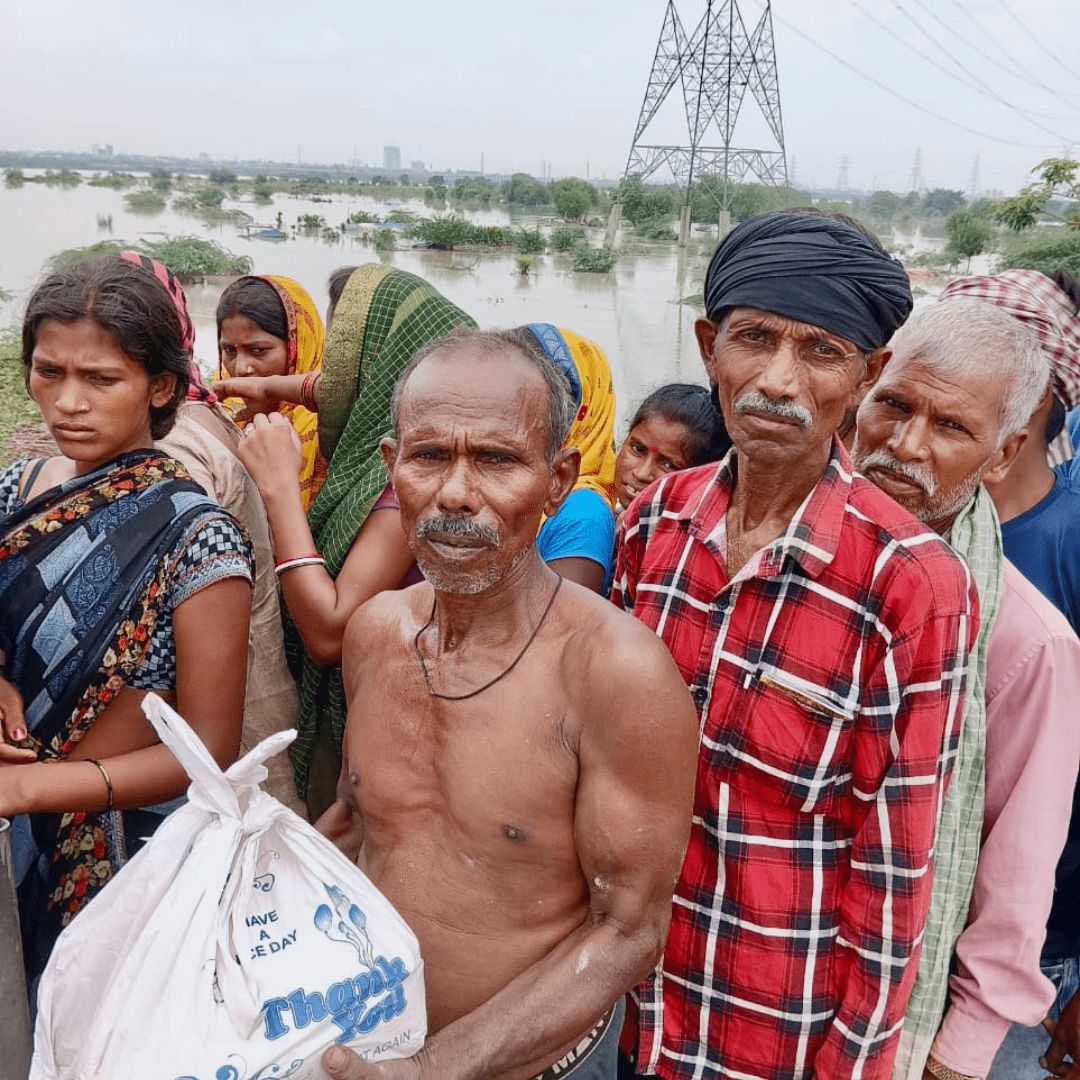
Delhi's informal settlements along the Yamuna flood every July. Jhuggi colonies face periodic fires that gut hundreds of families overnight. Summer heatwaves push daily-wage workers into dangerous conditions. We operate rapid response camps across East Delhi, Shahdara, and Outer Delhi with cooked meals, hydration kits, and documentation support.
Uttarakhand
Uttarakhand's terrain is breathtaking — and brutally unforgiving when disaster strikes. Glacial lake outburst floods, monsoon flash floods along the Alaknanda and Bhagirathi, and landslides in Chamoli, Rudraprayag, and Pithoragarh can sever entire valley communities within minutes. We deploy foot teams trained for high-altitude relief when no vehicle or helicopter can reach.
Pick a region and choose exactly what your donation provides — from mattresses and tarpaulins to medical kits and rescue support.
| Icon | Sr No | Cause | Amount | Support |
|---|---|---|---|---|
| 🍲 | 1 | Food & Clean Water Clean drinking water and food rations for one flood-affected family (5 members). | ₹1,320 | ❤ Donate Now |
| 🧰 | 2 | Raahat Seva Kit Clothes, towels, a medical kit, ground sheets, and a tarpaulin to help a family rebuild. | ₹2,450 | ❤ Donate Now |
| 🐄 | 3 | Livestock Support Fodder, veterinary care, and safe shelter for a family's livestock. | ₹850 | ❤ Donate Now |
| 🚤 | 4 | Boat Rescue Support Fund boat trips to reach cut-off, flood-stranded villages. | ₹1,500 | ❤ Donate Now |
| Icon | Sr No | Cause | Amount | Support |
|---|---|---|---|---|
| ⛺ | 1 | 1 Tarpaulin Sheet — Emergency Shelter Offer temporary shelter and protection from rain and heat. | ₹750 | ❤ Donate Now |
| 🐄 | 2 | 1 Week Cattle Fodder — Livestock Relief Keep a farming family's cattle fed through the flood season. | ₹900 | ❤ Donate Now |
| 🌾 | 3 | 10kg Rice & Pulses Kit — 1 Family Ensure daily meals for flood-affected families. | ₹1,200 | ❤ Donate Now |
| 🌱 | 4 | 1 Seed & Sapling Kit — Crop Replanting Help farmers replant after crop-destroying floods. | ₹1,100 | ❤ Donate Now |
| 🧼 | 5 | 1 Toiletries Kit — Hygiene Essentials Support basic cleanliness and dignity in difficult times. | ₹400 | ❤ Donate Now |
| 🌸 | 6 | 1 Sanitary Pad Kit — 1 Woman Provide essential menstrual hygiene for women and girls. | ₹350 | ❤ Donate Now |
| Icon | Sr No | Cause | Amount | Support |
|---|---|---|---|---|
| 🧣 | 1 | 2 Warm Blankets — 1 Family Protect displaced families from cold mountain nights. | ₹600 | ❤ Donate Now |
| ⛺ | 2 | 1 Tarpaulin Sheet — Emergency Shelter Offer temporary shelter after a landslide destroys a home. | ₹750 | ❤ Donate Now |
| 🥾 | 3 | 1 Foot-Porter Relief Trip — Remote Delivery Fund porters carrying aid to hamlets vehicles cannot reach. | ₹1,400 | ❤ Donate Now |
| 🌾 | 4 | 10kg Rice & Pulses Kit — 1 Family Ensure daily meals for cut-off mountain families. | ₹1,200 | ❤ Donate Now |
| 💊 | 5 | 1 First-Aid & Medicine Kit — Relief Camp Stock essential medicines for remote relief camps. | ₹850 | ❤ Donate Now |
| 🧼 | 6 | 1 Toiletries Kit — Hygiene Essentials Support basic cleanliness and dignity in difficult times. | ₹400 | ❤ Donate Now |
| Icon | Sr No | Cause | Amount | Support |
|---|---|---|---|---|
| 🍱 | 1 | 3 Meals & Water Bottle — 1 Person Provides 3 meals and a water bottle for one stranded person, for a day. | ₹230 | ❤ Donate Now |
| 🍛 | 2 | 3 Meals & Water Bottle — Family of 5 Provides 3 meals and a water bottle each, for a family of 5, for a day. | ₹1,150 | ❤ Donate Now |
| ☔ | 3 | Dry Clothes & Rainwear Kit Dry clothes and rain protection for people stranded for hours in flooded streets. | ₹500 | ❤ Donate Now |
| 🧹 | 4 | Waterlogged Home Cleanup Kit Disinfectant, cleaning supplies, and basic repair material for flooded ground-floor homes. | ₹600 | ❤ Donate Now |
| ⚕️ | 5 | Medical & First-Aid Camp Support Medical aid and first-aid camp support for waterborne illness after urban flooding. | ₹700 | ❤ Donate Now |
| Icon | Sr No | Cause | Amount | Support |
|---|---|---|---|---|
| 🛏️ | 1 | 1 Mattress — Fire/Flood-Affected Family Provide fire- or flood-affected families a place to sleep. | ₹1,000 | ❤ Donate Now |
| 🧃 | 2 | 5 ORS & Hydration Packs — 1 Worker Prevent heatstroke among daily-wage workers in peak summer. | ₹300 | ❤ Donate Now |
| 🌾 | 3 | 10kg Rice & Pulses Kit — 1 Family Ensure daily meals for flood- and fire-affected families. | ₹1,200 | ❤ Donate Now |
| 🍛 | 4 | 1 Hot Cooked Meal — 1 Family Fund a hot meal for a family during a rapid-response camp. | ₹250 | ❤ Donate Now |
| 🧼 | 5 | 1 Toiletries Kit — Hygiene Essentials Support basic cleanliness and dignity in difficult times. | ₹400 | ❤ Donate Now |
| 📋 | 6 | 1 ID & Compensation Documentation Support Help families recover lost ID proofs and compensation forms. | ₹500 | ❤ Donate Now |
| Icon | Sr No | Cause | Amount | Support |
|---|---|---|---|---|
| 🏕️ | 1 | 1 High-Altitude Tent — Displaced Family Shelter families displaced from glacial-valley villages. | ₹1,600 | ❤ Donate Now |
| 🧥 | 2 | 1 Warm Clothing Set — 1 Person Protect families against sub-zero mountain nights. | ₹700 | ❤ Donate Now |
| 🌾 | 3 | 10kg Rice & Pulses Kit — 1 Family Ensure daily meals for cut-off valley communities. | ₹1,200 | ❤ Donate Now |
| 💊 | 4 | 1 First-Aid & Medicine Kit — Relief Camp Stock essential medicines for high-altitude relief camps. | ₹850 | ❤ Donate Now |
| 🧗 | 5 | 1 Rescue Equipment Kit — Ropes & Gear Fund ropes, torches, and gear for foot-team rescues. | ₹1,300 | ❤ Donate Now |
| 🌸 | 6 | 1 Sanitary Pad Kit — 1 Woman Provide essential menstrual hygiene for women and girls. | ₹350 | ❤ Donate Now |
Disaster relief means providing immediate aid — food, water, shelter, medicine — to communities devastated by floods, cloudburst, fire, or drought. For the poor in Punjab, Himachal Pradesh, and Delhi, there is no savings buffer, no insurance, no government queue that moves fast enough. Sevartham fills that gap — before the headlines, before the bureaucracy.
India's northern belt — Punjab's river plains, Himachal's high-altitude villages, and Delhi's low-lying resettlement colonies — faces a recurring cycle of disasters. Floods, cloudbursts, extreme heat, and sudden fires strike with little warning. The communities most affected are always those with the least cushion: no savings, no insurance, no government connection.
Sevartham maintains pre-positioned disaster response kits across high-risk areas in all three regions. Our trained community responder network activates quickly after any disaster alert. We coordinate with district administrations — while maintaining independent operations to fill the gaps no one else covers.

A flood does not feel the same to a farmer in Sangrur with waterlogged fields, a labourer in a Mandi landslide zone, a shepherd in Uttarakhand's Chamoli highlands, and a rickshaw puller in a Delhi jhuggi. They have no insurance. Their homes are built on the margins — near rivers, on hillsides, beside drains — precisely because those were the only spaces available.
When disaster strikes, these families lose their shelter, their tools, their stored grain, and often their loved ones — all at once. Formal government relief takes days or weeks to reach them. By then, the window to save lives and livelihoods has already closed.
Images from our relief operations across Punjab, Himachal Pradesh, Uttarakhand, and Delhi.
Six types of aid — deployed simultaneously, targeted precisely at the families with the greatest immediate need.
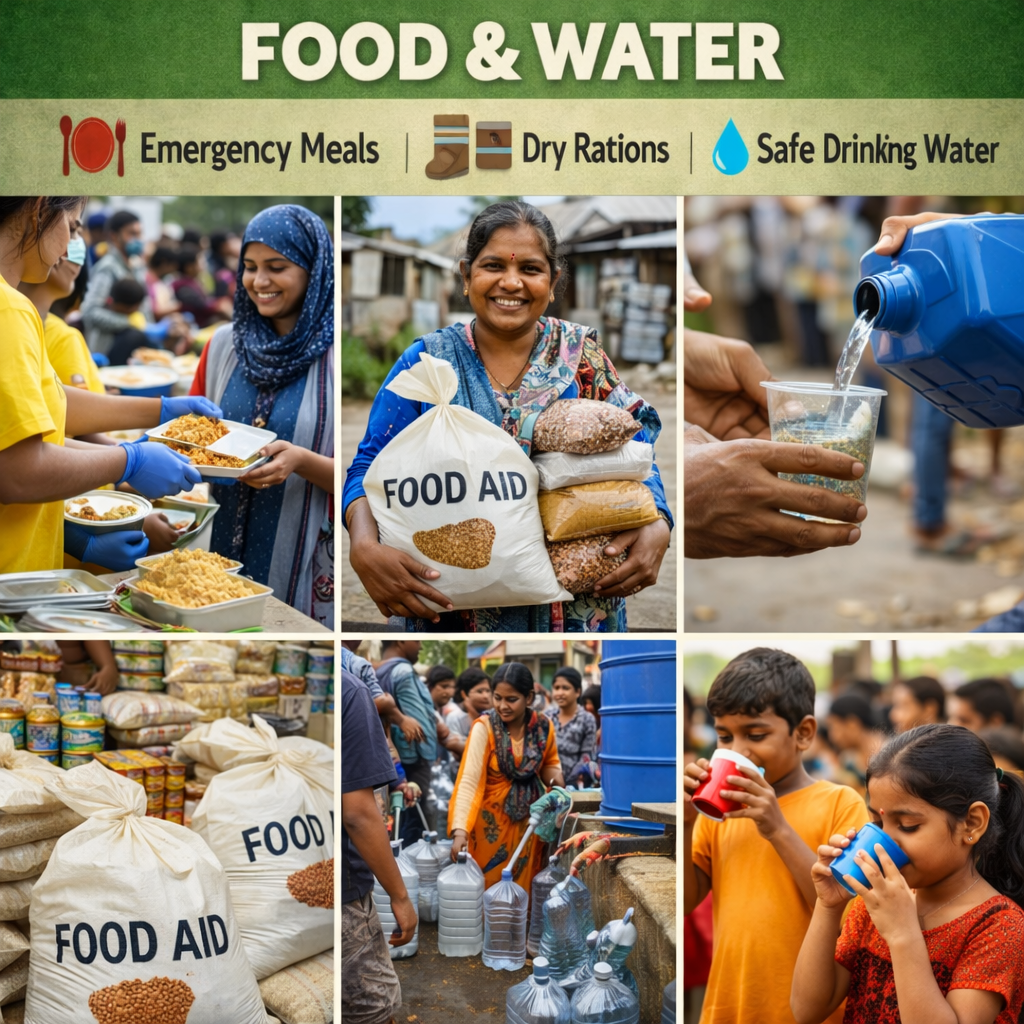
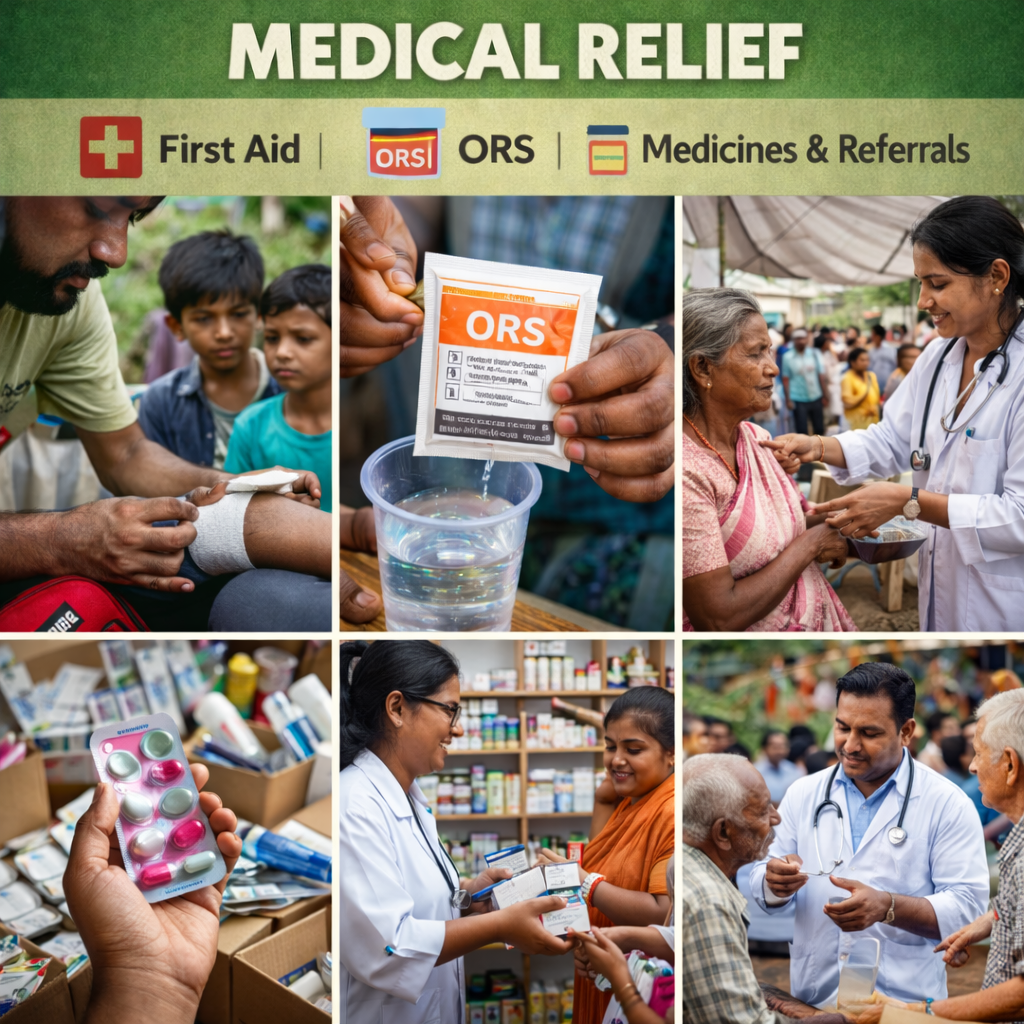
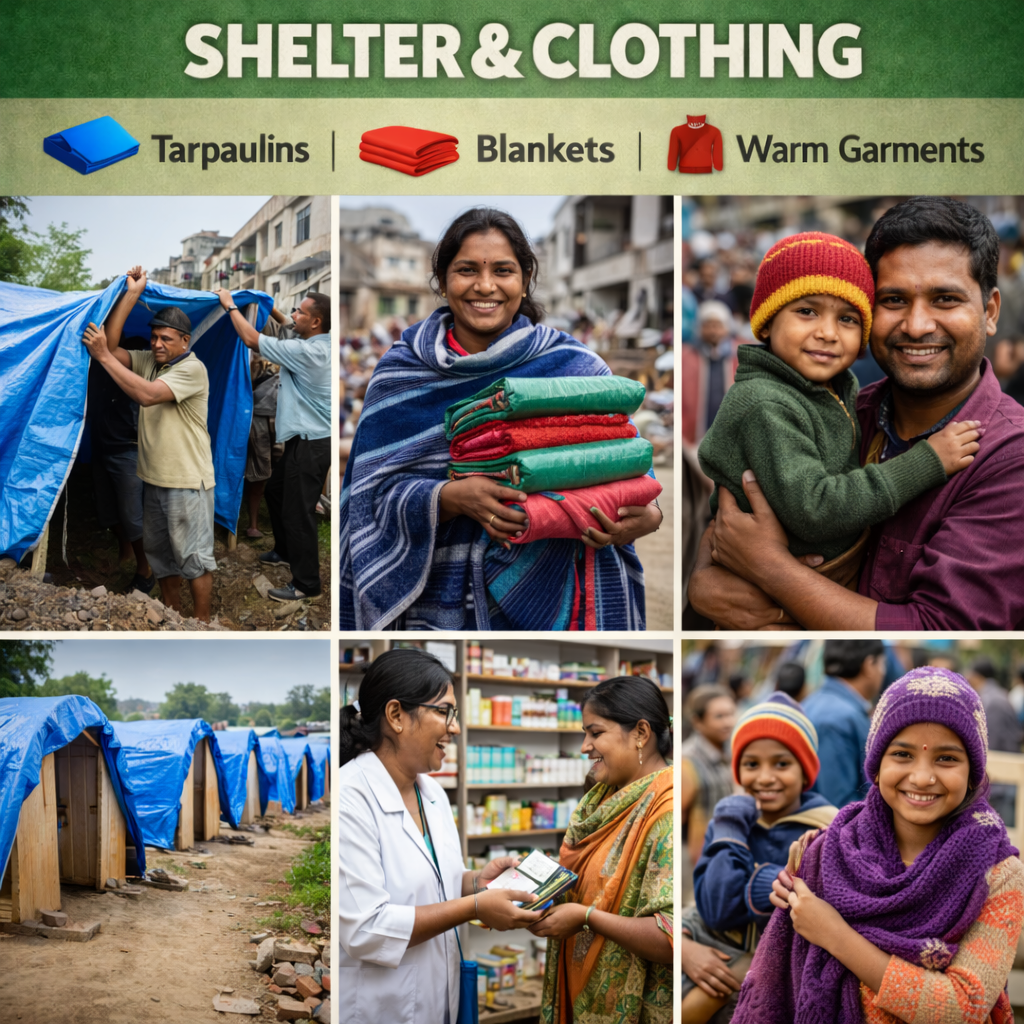
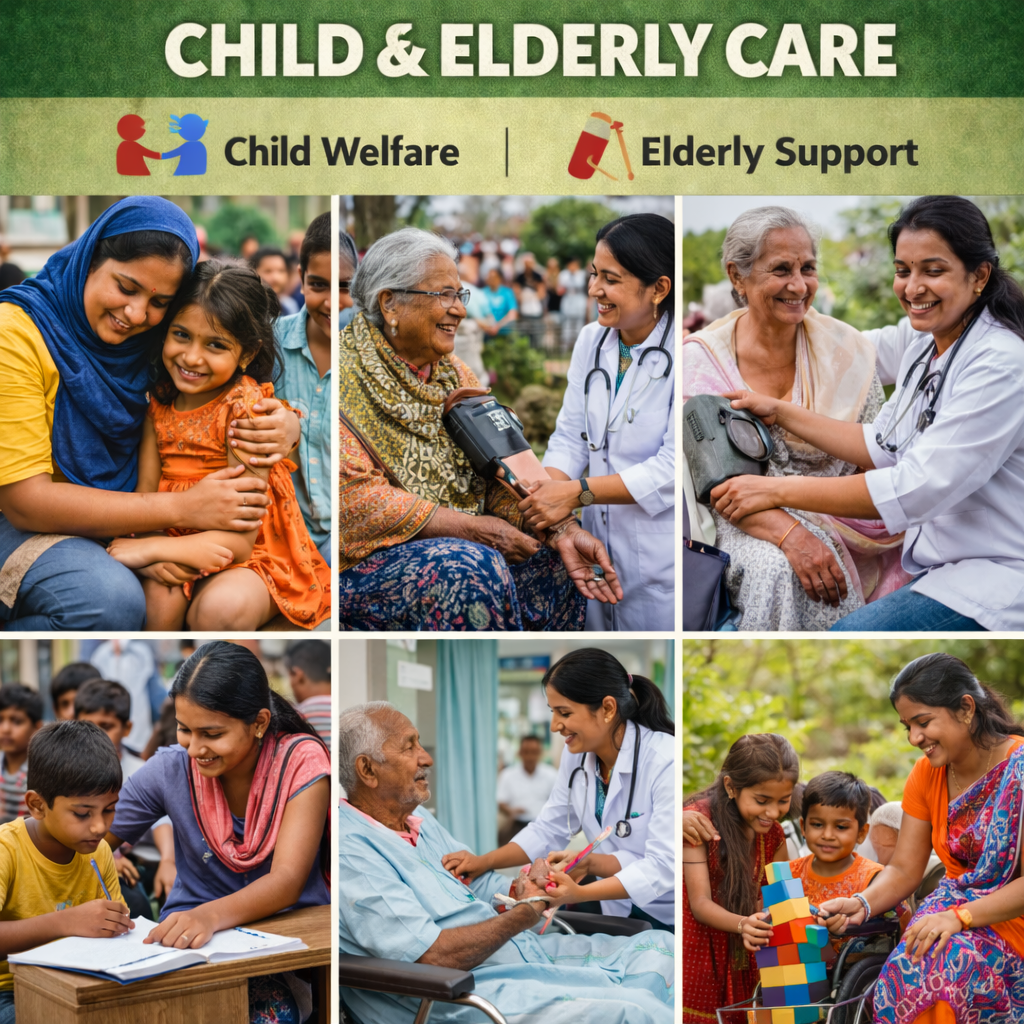
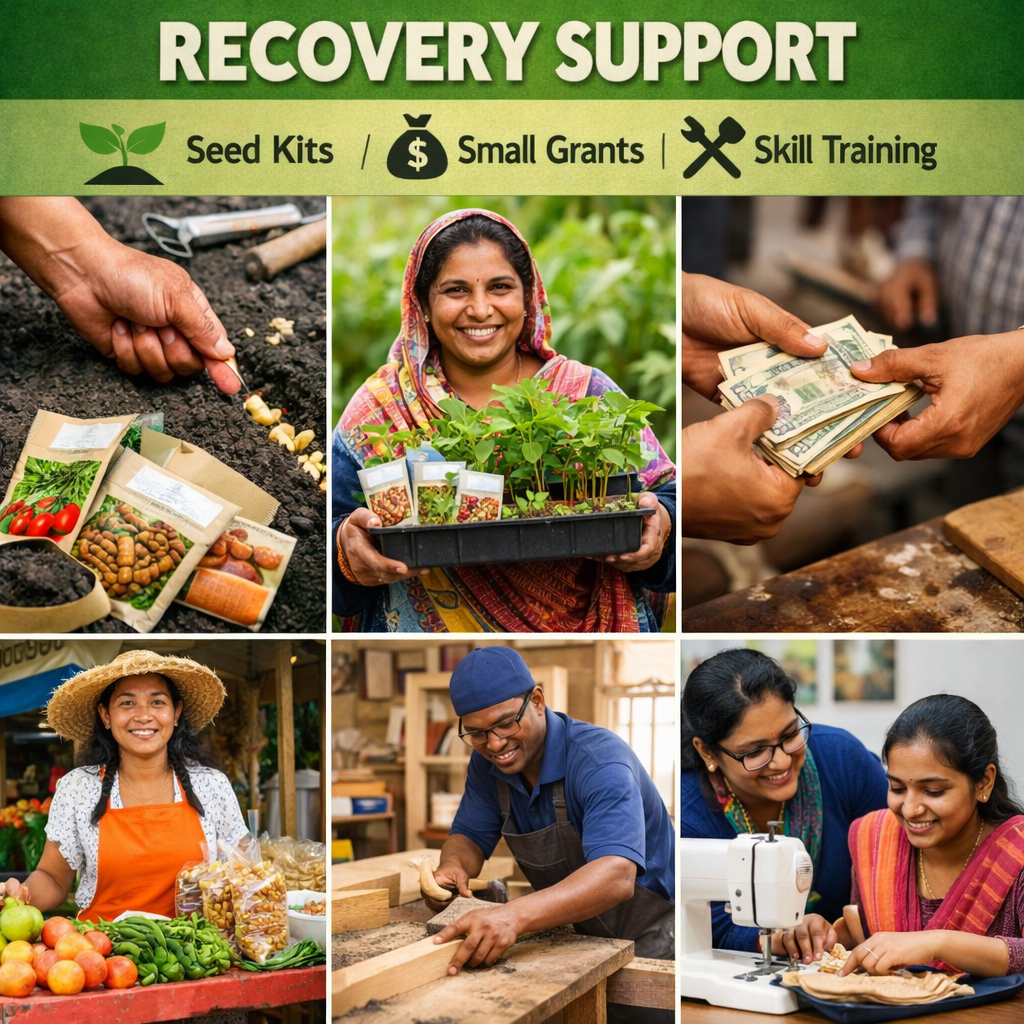
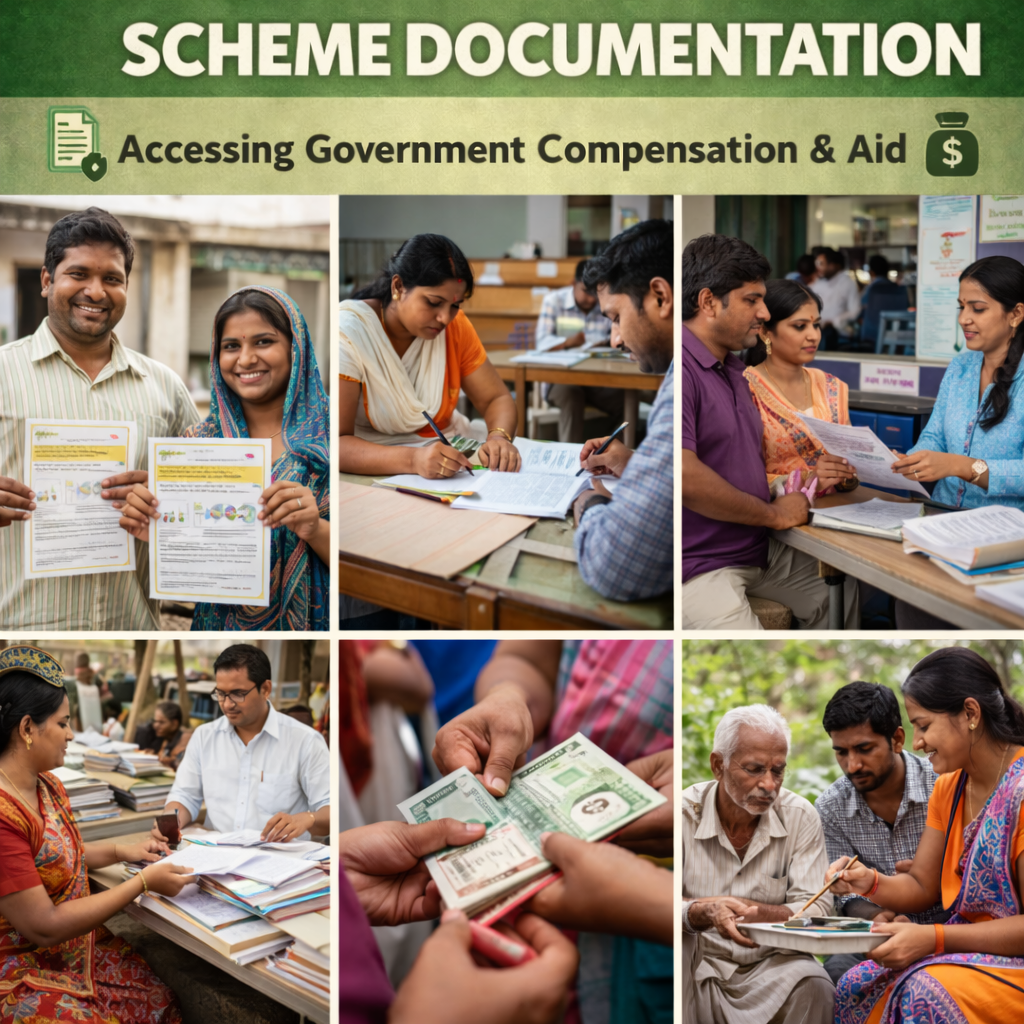

"When a family loses everything to a flood, they do not need pity. They need food today, shelter tonight, and a plan tomorrow. That is what Raahat Seva is built to deliver."— Sevartham Alliance Trust, Relief Operations Team
A clear, repeatable activation process — refined across multiple deployments in Punjab, Himachal, Uttarakhand, and Delhi.
Community responders report. We verify scope and location within the first hour to understand what is needed where.
Pre-packed kits are loaded. Ground teams depart within 3–6 hours of activation. Mountain teams move by foot if roads are blocked.
Food, water, first aid, and temporary shelter delivered to the most vulnerable first — elderly, children, pregnant women.
Help families register for government compensation, replacement ration cards, and housing support — forms that otherwise take months.
After the crisis: livelihood kits, small grants, and skill support to help families restart — not just survive the aftermath.
Immediate relief saves lives. But long-term recovery restores them. After the floodwaters recede in Punjab's Jalandhar belt, after the landslide debris is cleared from a Mandi village path, after a glacial flood retreats from Uttarakhand's Rudraprayag valley, after a Delhi family's jhuggi is rebuilt — the deeper work begins.
We run grief support camps for families who lost loved ones. We assist with house reconstruction using local materials and labour. We distribute seed kits and farmer tool-sets so the next planting season is not lost. We work with district administrations to register families for PMAY and other housing schemes.
Prevention is our parallel mission: community training on early warning signs, household flood-proofing, and disaster preparedness drills — so next time, fewer people are caught off-guard.
Partner for Long-Term Recovery
We maintain a standing Raahat Fund — allowing deployment immediately, before any fundraising campaign can begin. Your donation today is the lifeline that reaches Punjab's flood plains, Himachal's mountain villages, Uttarakhand's glacier valleys, and Delhi's informal settlements — before formal help arrives.